
Our story, our mission, and our values.
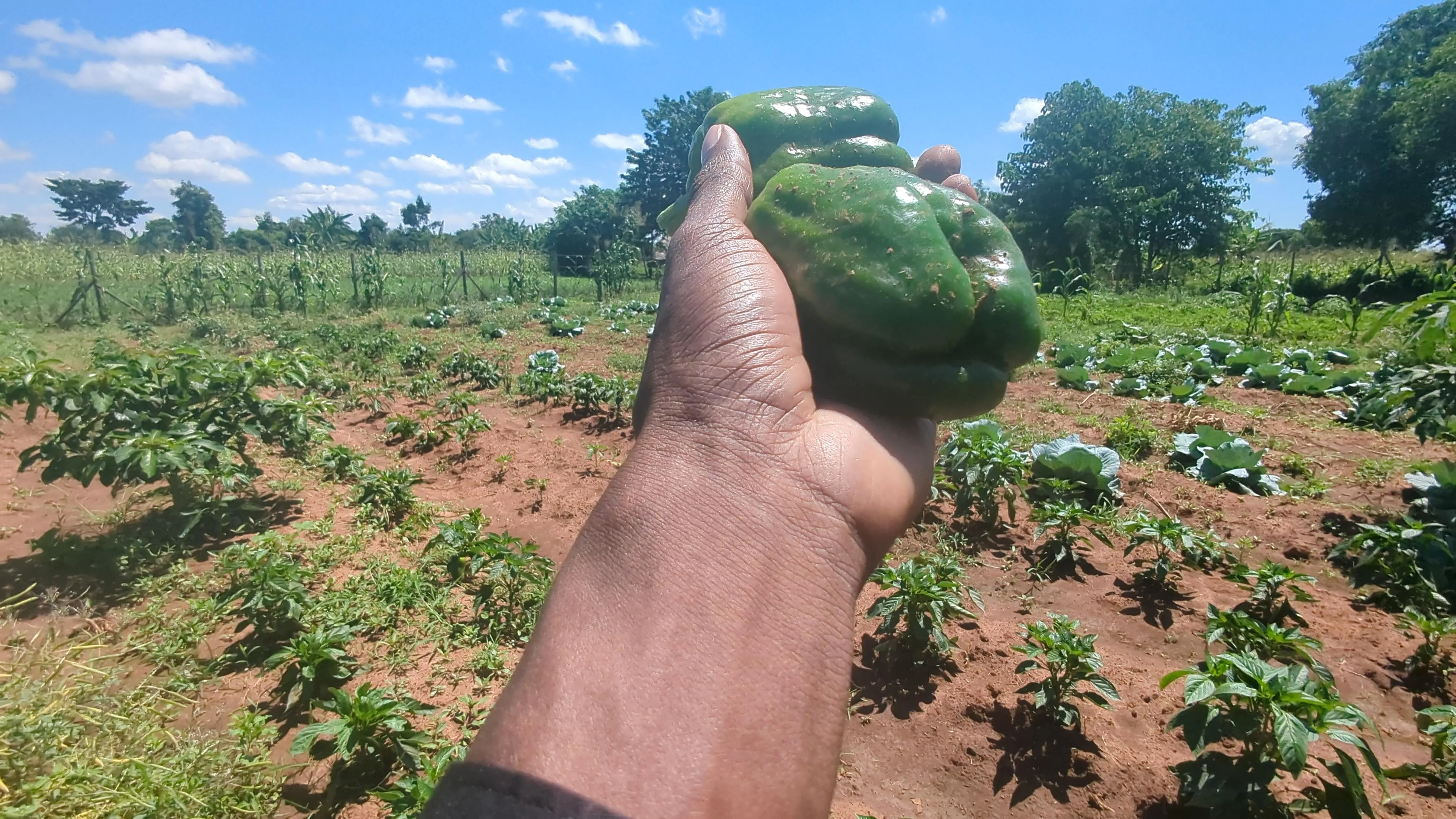
AgriNest Solutions Ltd is a registered Ugandan agribusiness company headquartered in Mbale City, Eastern Uganda. We serve as a trusted agricultural partner helping smallholder and commercial farmers improve soil health, seed selection, land preparation, and harvesting protocols.
By distributing genuine inputs sourced from industry-leading manufacturers, and backing them up with professional crop coaching and mechanization, we enable sustainable and highly profitable agriculture across Ugandan districts.
"We don't just supply agricultural inputs — we walk with you through land opening, crop management, and harvest success."
To become Uganda's leading provider of innovative agricultural solutions that transform farming, improve rural livelihoods, and promote sustainable food production.
To provide quality agricultural inputs, mechanization services, and professional agricultural advisory solutions that empower farmers to achieve higher productivity and sustainable growth.
Our operations are guided by Integrity, Excellence, Innovation, Customer Satisfaction, Professionalism, Sustainability, Accountability, and Teamwork.
Trace the evolution of AgriNest Solutions from our roots to becoming Mbale's agricultural powerhouse.
AgriNest Solutions Ltd was incorporated in Mbale City. We started by sourcing and distributing certified vegetable seeds to smallholders in Bungokho and Sironko.
Acquired our first tractors to support farmers with land preparation and harrow opening. Partnered with regional seed associations to establish certified agrochemical distribution channels.
Formed a dedicated team of mobile agronomists to visit farms. Reached over 5,000 farmers and scaled distribution to cooperatives across Central and Eastern Uganda.
We align our corporate objectives with the development of Uganda's agricultural sector.
To supply genuine and certified agricultural inputs with verified germination and safety specifications.
To provide reliable agricultural extension and advisory services at field-level to address disease/pest risks.
To improve farm productivity and save manual labor hours through responsive tractor ploughing and clearing.
To promote eco-friendly soil practices, biological crop protection, organic composting, and weather adaptations.